
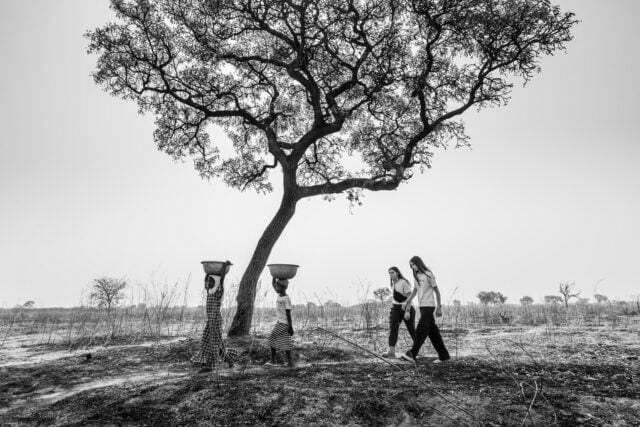
A mother and her two daughters take an unusual vacation to Ghana. They not only see the beauty of God’s earth, but learn how not having clean water stops progress for mothers and daughters just like them.
News & Stories
From the Field
From the Field
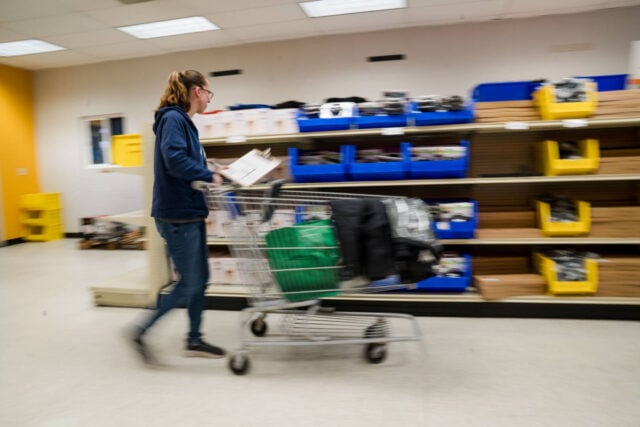
Equipping classrooms across the U.S.
World Vision’s Teacher Resource Center helps stock the classrooms of educators serving Title I schools, where many students come from low-income households. When families cannot afford to purchase basic school supplies for their children, teachers often compensate by using their personal funds. For many students across the Pacific Northwest, those simple items help remove small barriers to learning.
From the Field
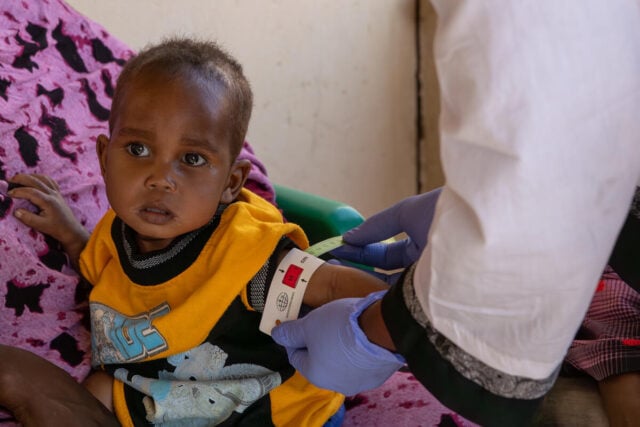
Sudan hunger crisis: Rainy season threatens to cut off lifesaving aid
As Sudan enters its fourth year of conflict, more than 12 million people have fled their homes, and aid systems are under strain. As rains threaten to cut off delivery of aid this June, millions of children face escalating hunger and malnutrition. Learn how World Vision is responding to the crisis in Sudan and neighboring countries.
From the Field
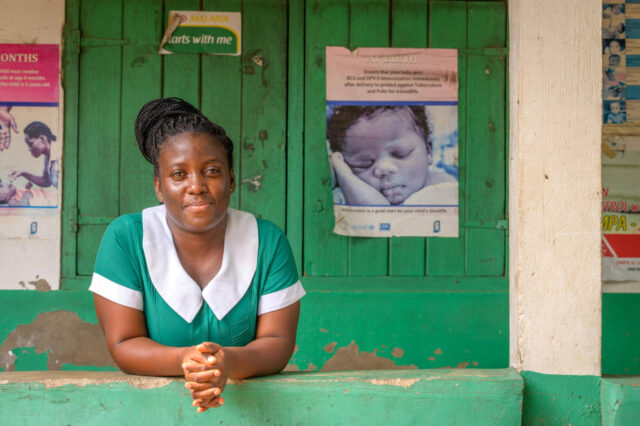
Two midwives, two experiences
Nearly 4 million Ghanaians lack clean water, a burden felt most in rural clinics where midwives like Mabel and Ramicah struggle to provide safe care. Their facilities depend on contaminated open dams, forcing staff and patients to collect unsafe water that contributes to diarrhea, typhoid, skin infections, and dangerous conditions for mothers and newborns. Water shortages often lead to early discharges, and caregivers themselves fall ill. Child mortality remains high, with many deaths linked to poor water and sanitation. A new mechanized water system installed by World Vision transformed Ramicah’s clinic — providing clean water, functional sanitation, and increasing patient attendance. World Vision is assessing similar solutions for Mabel’s community and aims to expand safe water access across Ghana, including to 500 schools and 200 health facilities, benefiting 700,000 people. Their stories underscore the urgent need for lasting clean water.
From the Field
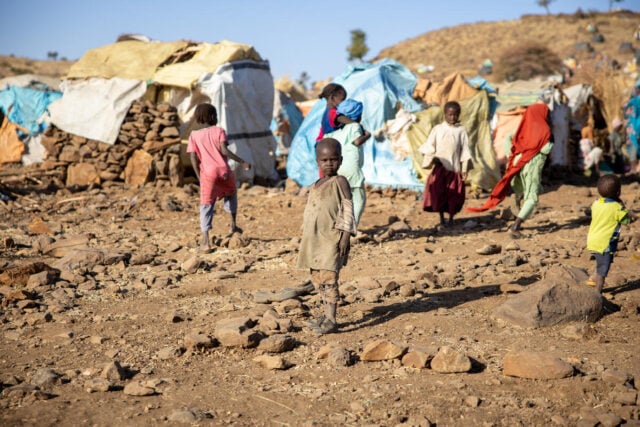
Sudan crisis: Facts, FAQs, and how to help
Since even before the conflict began on April 15, 2023, Sudan has faced a severe humanitarian crisis. To date, thousands of lives have been lost and 14.3 million people displaced, including 7 million children — the largest number of children displaced globally, as result of the conflict in Sudan. Ongoing violence is compounding an existing hunger crisis, endangering millions and threatening famine. Explore key crisis facts and how World Vision is responding to support impacted children, their families, and communities.
From the Field
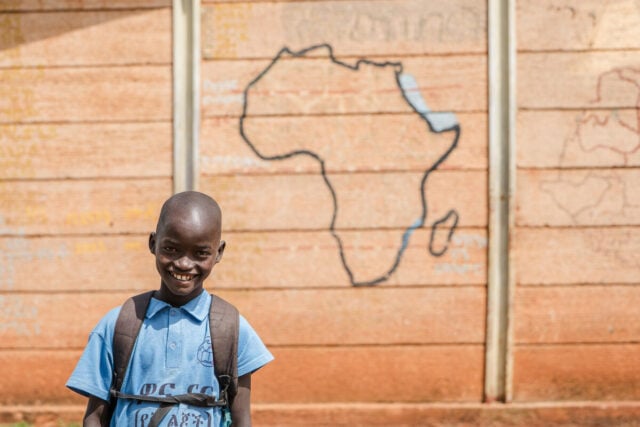
Hope stems from the cliffs of death
One young man in Ethiopia risked everything to rescue a child marked for death. World Vision is helping families let go of an ancient lie that has stolen thousands of children.
From the Field
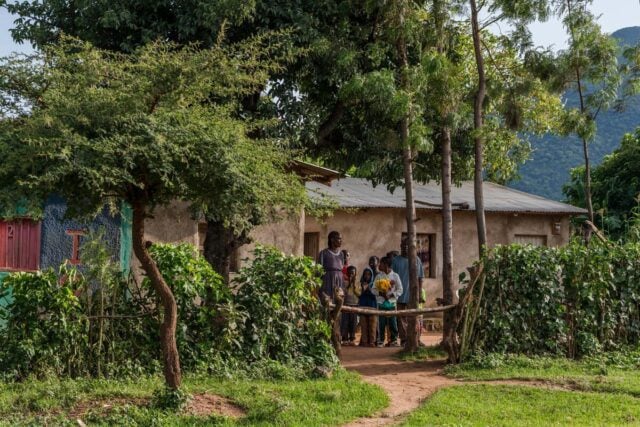
From isolation to inclusion: After spending seven years hidden away, a child has a new future with opportunity ahead
For seven years, stigma kept 10-year-old Masresha hidden inside. Today, through World Vision support, she walks to school, plays with friends, and learns with joy. Her transformation inspires her family to defy harmful beliefs and nurture hope in their Ethiopian community.
From the Field
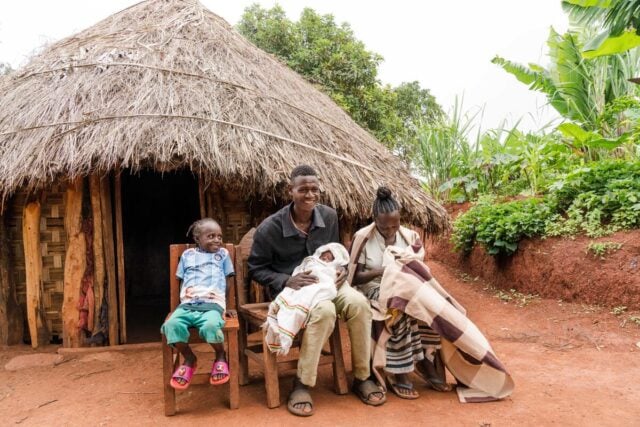
Fired in resilience: Raising children under stigma and scarcity in Ethiopia
Amarech and Asate are artisans whose craft also marks them as outcasts. They work to feed their three children, including newborn twins, while holding on to dreams of education and equality in a community slowly confronting generations-old stigma. World Vision recently began working in the area and is challenging the norm.
From the Field
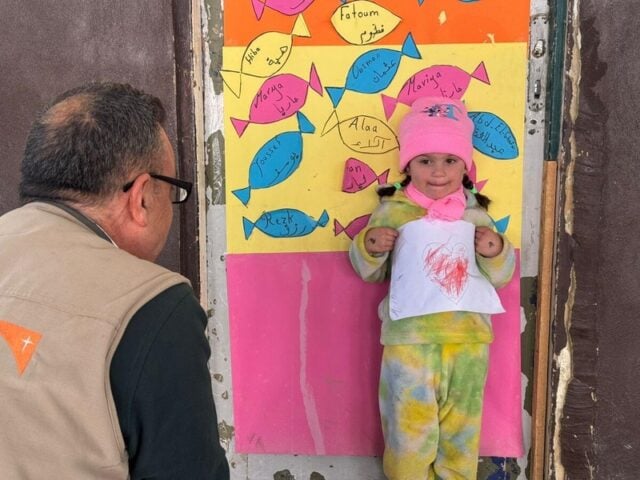
Lebanon conflict: Facts, FAQs, and how to help
The escalated Lebanon conflict is impacting over 1 million people. World Vision is responding to help displaced children and families with food, sleeping mats, blankets, and hygiene kits in addition to psychosocial support for children impacted by the conflict. Here’s what’s happening in Lebanon and more about how World Vision is responding.
From the Field
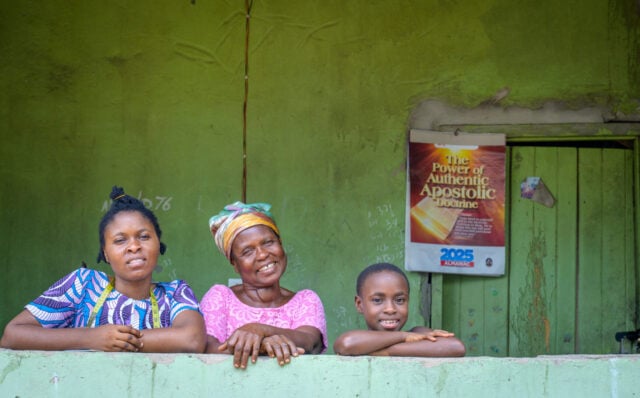
Building resilient communities by improving lives of women and girls
Traditionally women and girls have faced many obstacles that have kept them from realizing their full potential. World Vision works alongside local leaders to increase possibilities for girls and women and by doing so, strengthens the entire community.