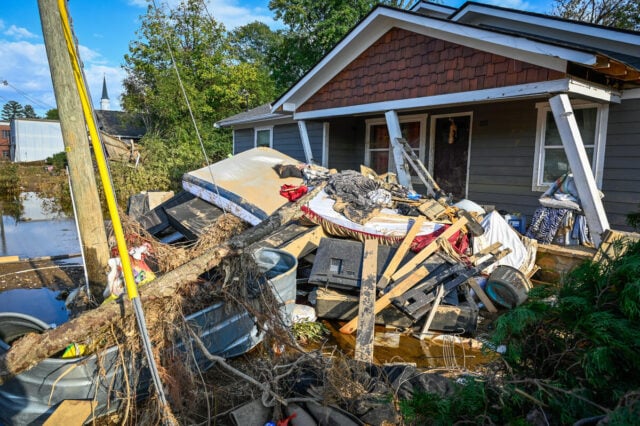
Extreme weather events threaten food security, lives, and livelihoods worldwide. Discover how World Vision helps communities recover, rebuild, and prepare for future disasters through emergency relief, resilience-building, and sustainable solutions.
News & Stories
From the Field
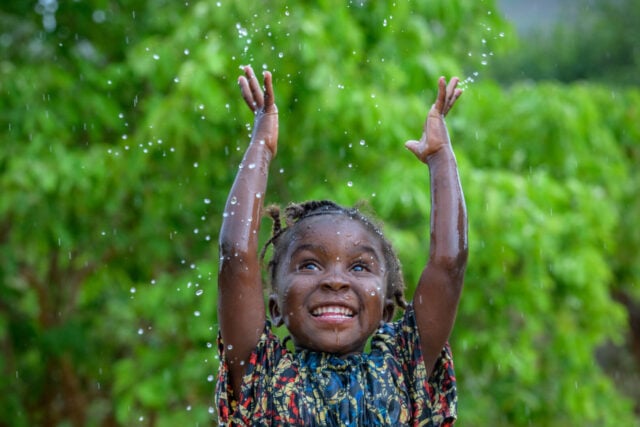
Clean water access assuages a mother’s fears
A past fearful of children drowning no longer exists in a Zambian community. That changed with the arrival of World Vision-drilled wells. Now a young mother and her community no longer fear water-borne illness or sending children to collect water.
From the Field
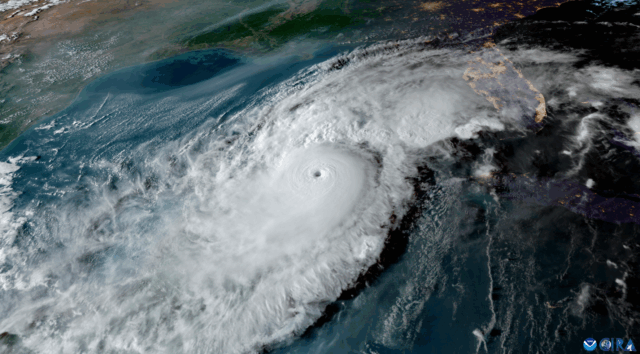
Hurricanes: Facts, FAQs, how to help
Discover key facts about hurricanes, gain a deeper understanding of one of nature’s most destructive forces, learn effective strategies for hurricane preparedness, and explore ways to support people affected by these devastating storms.
From the Field
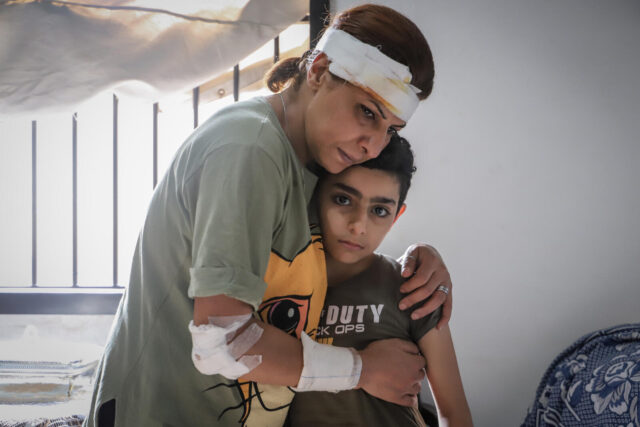
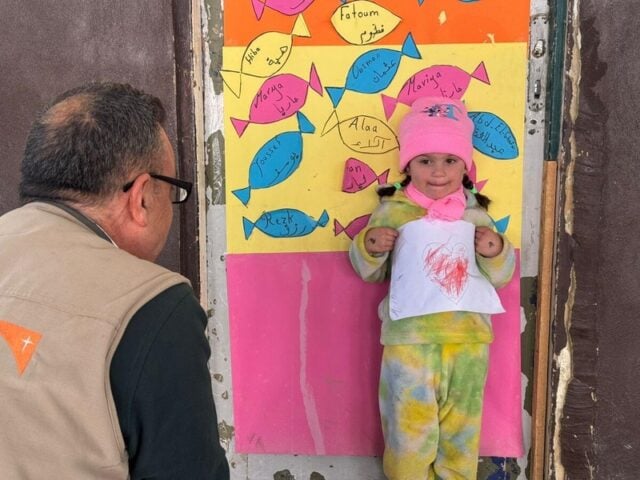
Beirut port explosion: What happened, and how did it affect Lebanon
On August 4, 2020, a massive explosion at the Port of Beirut killed 160 people and injured thousands of people, devastating large areas of the capital city. In the immediate aftermath, World Vision responded to assist 120,000 impacted people. World Vision has been serving children and families in Lebanon since 1975.
From the Field
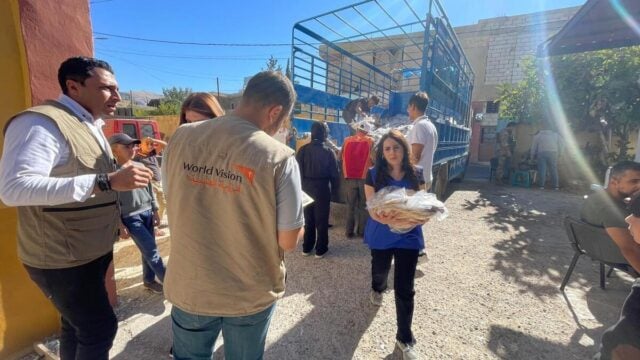
Lebanon conflict: Facts, FAQs, and how to help
The escalation of conflict in Lebanon is impacting more than 1 million people, forcing children and families to flee their homes. World Vision is responding with humanitarian assistance, including food, sleeping mats, blankets, hygiene kits, and psychosocial support to help children recover from the trauma of the conflict. Here’s what’s happening in Lebanon, how the humanitarian crisis is affecting families, and how World Vision is responding.
From the Field
Middle East crisis: Facts, FAQs, and how to help
Children in the Middle East are enduring the devastating impacts of armed violence, hunger, psychosocial distress, and disrupted education. Learn how World Vision is supporting affected communities and remains committed to serving the most vulnerable children and families, even in the most dangerous places.
From the Field
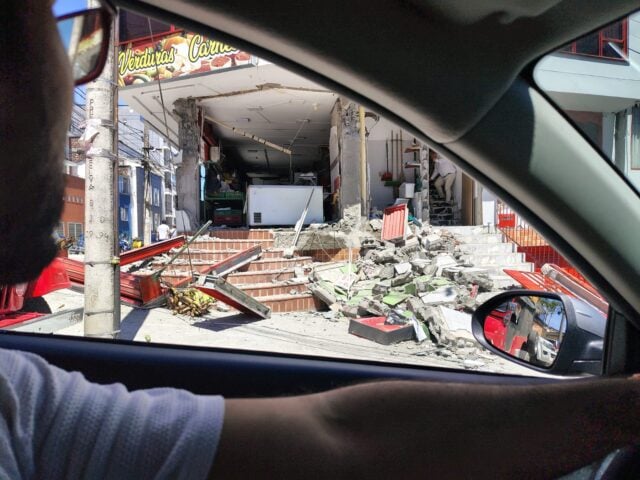
2026 Colombia earthquake: Facts, FAQs, and how to help
A 7.4 magnitude earthquake struck Colombia Aug. 10, 2026. Learn more about the disaster, its impact on families and communities, and how World Vision is responding.
Voices
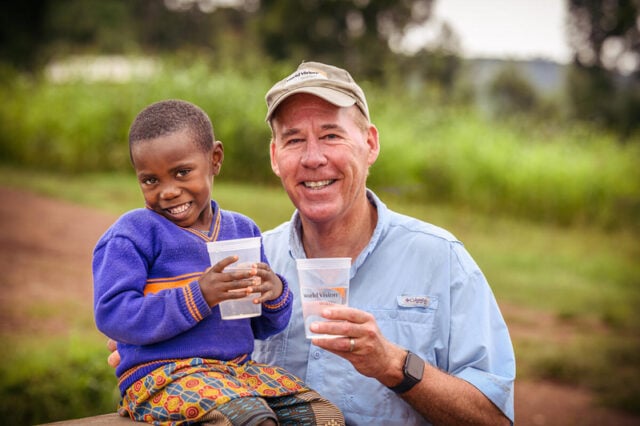
“Thirsty for a Miracle”: Q&A with water expert and author Dr. Greg Allgood
Dr. Greg Allgood has spent his career working to help the global water crisis at P&G and World Vision. His new book, Thirsty for a Miracle, shares his journey in the work and in his faith, and proceeds benefit World Vision’s global water work.
From the Field
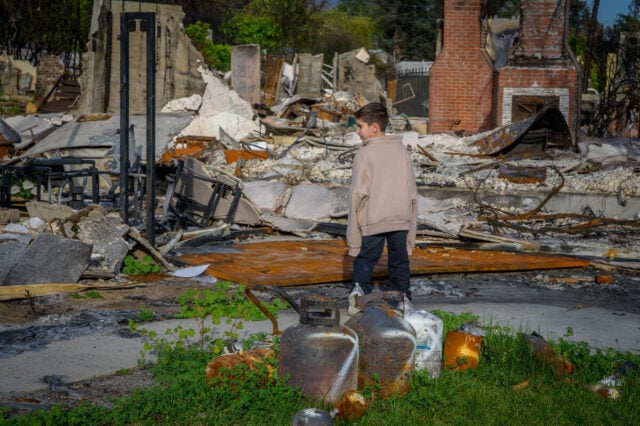
Wildfires: Facts, FAQs, and how to help
Wildfires affect many parts of the U.S. and the world and are capable of decimating landscapes and upending lives and communities. Learn about the causes and effects of wildfires. Explore resources to prepare for unexpected wildfires. Discover how World Vision reaches communities impacted by wildfires and other disasters, and find out ways to help.
From the Field
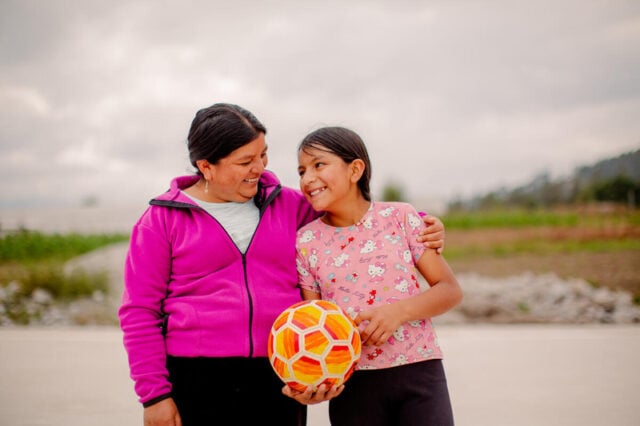
Changes inspire new dreams for girls in Ecuador
In Riobamba, Ecuador, World Vision’s child sponsorship program is helping girls stay in school, dream for the future, and embrace sports, arts, and leadership opportunities. Adults are learning about improved nutrition and how to provide healthier meals as well as different communication and parenting techniques to improve family relationships.
From the Field
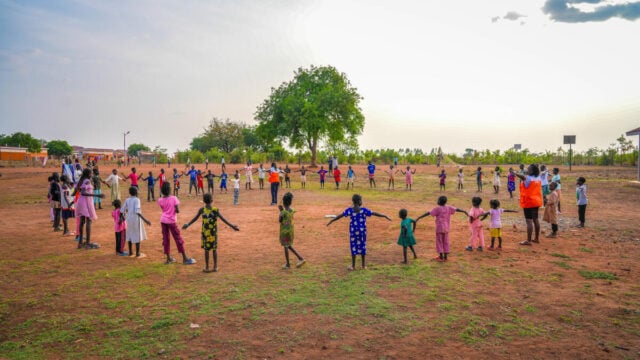
Sudanese refugees find safety in Uganda
Since conflict escalated in Sudan in 2023, millions have been displaced. At Uganda’s Nyumanzi Reception Center, World Vision supports refugee families with shelter, medical care, and protection services.
Change Makers
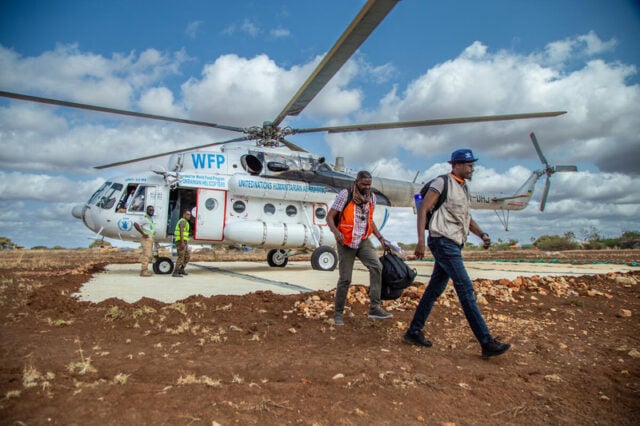
What is a humanitarian: Facts and FAQs
What is a humanitarian? It’s a word you’ve probably heard a lot, but what does it actually mean? We define the meaning of the word and talk about what kind of work humanitarians and humanitarian organizations do.